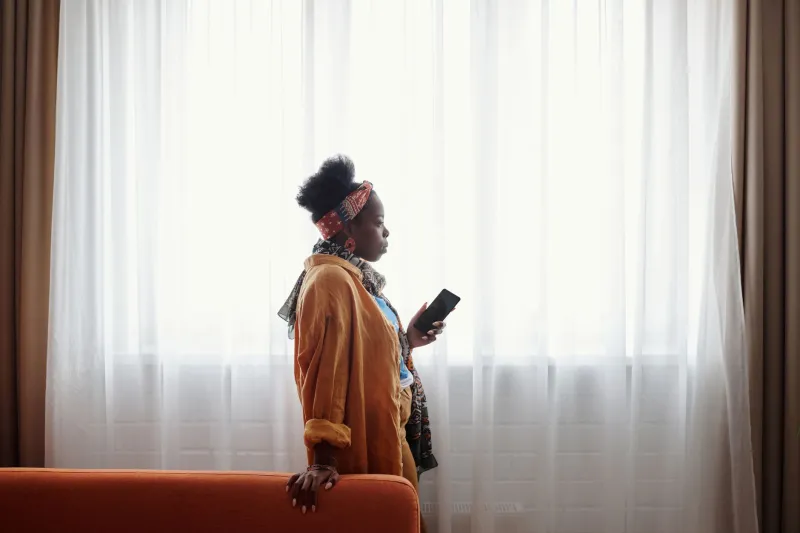
The 'Digital Detox' Announcement Is a Lie You're Telling Yourself (And All of Us)
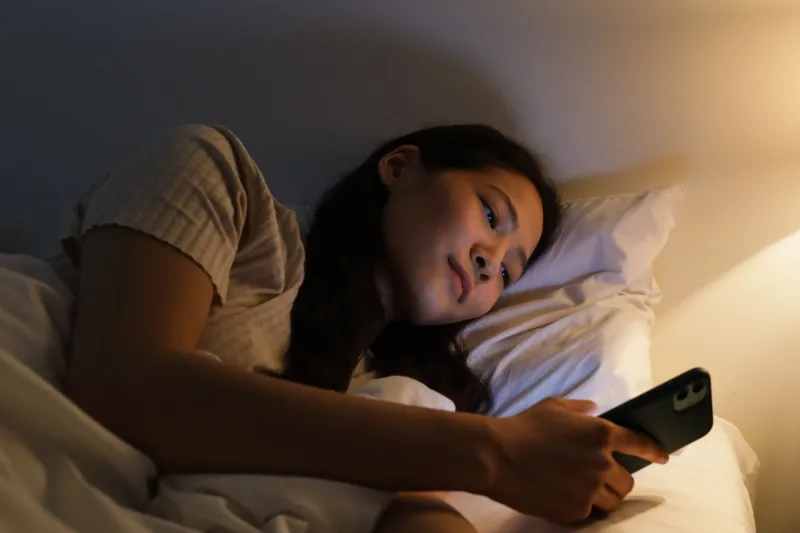
Let me paint you a picture.
It's a Sunday afternoon. Someone you follow — maybe a creator, maybe just a friend from college — drops a carefully composed post. Soft lighting. A cup of tea in the corner of the frame. A caption that starts with something like "Hey guys, I need to step back for a while..." It gets four hundred likes in an hour. The comments are full of little red hearts and "take all the time you need, babe." And then, nine days later, they're back. Posting a reel. Completely unbothered.
Here's the thing: I've done it too. More than once. And if you're reading this with even a flicker of recognition, there's a solid chance you have as well.
The performative social media detox has quietly become one of the defining rituals of online life in America — right up there with the New Year reset post and the "I'm not on here much but feel free to DM me" bio that precedes three posts in one week. We've turned the act of leaving into content. And that, honestly, tells us everything we need to know.
The Announcement Is the First Red Flag
Here's a question worth sitting with: why does a break from social media require a social media post?
Think about it. When you decide to stop eating sugar for a month, you don't typically hold a press conference. When you take a weekend off from texting, you don't send a mass text to announce it. But log off from Instagram? That requires a statement. A timeline. Sometimes a countdown. Occasionally a whole video.
The need to announce the detox reveals the core contradiction at the center of it. If the apps are genuinely draining you, the most natural thing in the world would be to just... close them. Quietly. Without ceremony. The announcement isn't for your mental health — it's for the audience. And the moment you're performing your departure for an audience, you haven't actually left.
Psychologists have a term for this kind of behavior: social validation feedback loops. Basically, our brains have been conditioned to seek the hit that comes from posting something and watching the engagement roll in. The detox announcement is often just another post engineered to generate that exact response — sympathy, concern, admiration for your self-awareness. It's a dopamine grab dressed up as self-care.
Why We Actually Want the Break (Hint: It's Not About the Apps)
Okay, but let's be fair here — because I don't think most people are consciously running a manipulation play when they post their goodbye. I think something real is happening underneath it. Something that deserves actual attention.
When we say we need a break from social media, what we're usually describing is a feeling. Exhaustion. Comparison fatigue. The creeping sense that everyone else is thriving while you're just kind of... existing. The apps become the symbol for that feeling, so cutting them out feels like it should solve it.
But the apps aren't the source. They're the delivery mechanism.
The anxiety that spikes when you scroll through someone's highlight reel was there before the algorithm. The loneliness that makes you check your phone at 2 a.m. looking for something — anything — to make you feel less alone? That's not a TikTok problem. The compulsive need to document your life so it feels more real, more valid, more witnessed? Instagram didn't invent that hunger. It just monetized it.
So when the detox doesn't fix you — and it usually doesn't — it's not because you didn't try hard enough or your willpower is broken. It's because you were treating a symptom and calling it a cure.
The Six-Minute Check-In (You Know the One)
Let's talk about what actually happens during most social media breaks, because I think we should be honest with ourselves here.
You delete the apps. You feel virtuous for about forty minutes. Then you remember you can just open a browser. Or you check in "just to see if anyone messaged you." Or you find yourself watching a YouTube video and somehow ending up back on Instagram through a link in someone's bio. By day three, the app is reinstalled because you need it for work, or to keep up with a friend's wedding planning group, or some other perfectly reasonable excuse your brain manufactured in about four seconds.
Research from the University of California, Irvine found that it takes an average of twenty-three minutes to fully regain focus after an interruption — and most of us are interrupting ourselves every few minutes with phone checks we don't even consciously register. The detox, in practice, becomes a series of negotiations with yourself about what counts as really being on social media versus just glancing.
And the glancing never stops.
What a Real Break Actually Looks Like
I'm not here to tell you that you never need space from the internet. You do. We all do. The question is whether you're actually taking it or just cosplaying the version of yourself who would.
A genuine reset looks a lot less dramatic than the announcement post suggests. It looks like turning off notifications and not telling anyone you did it. It looks like leaving your phone in another room when you go to bed — not because you're on a journey, but because sleep matters more than your following count. It looks like spending a Saturday doing things that don't have any shareable aesthetic value whatsoever, and being totally fine with that.
It's quieter. It's less impressive. Nobody gives you a little red heart for it.
And that's kind of the whole point, isn't it? The stuff that actually heals us rarely performs well.
So What Are We Really Chasing?
I think when we announce a social media break, what we're really asking for — underneath all of it — is permission. Permission to be tired. Permission to opt out without explanation. Permission to be a person who isn't constantly available, constantly producing, constantly on.
And that's a completely legitimate need. The problem is that we've been conditioned to seek that permission from the very platforms we're supposedly escaping. We want the internet to validate our decision to leave the internet. Which means we never actually leave.
If you genuinely need rest — from the noise, from the comparison, from the performance of it all — you don't need to tell your followers. You don't need a countdown or a heartfelt caption or a promise to "be more intentional" when you return.
You just need to put the phone down.
No post required.